
 By
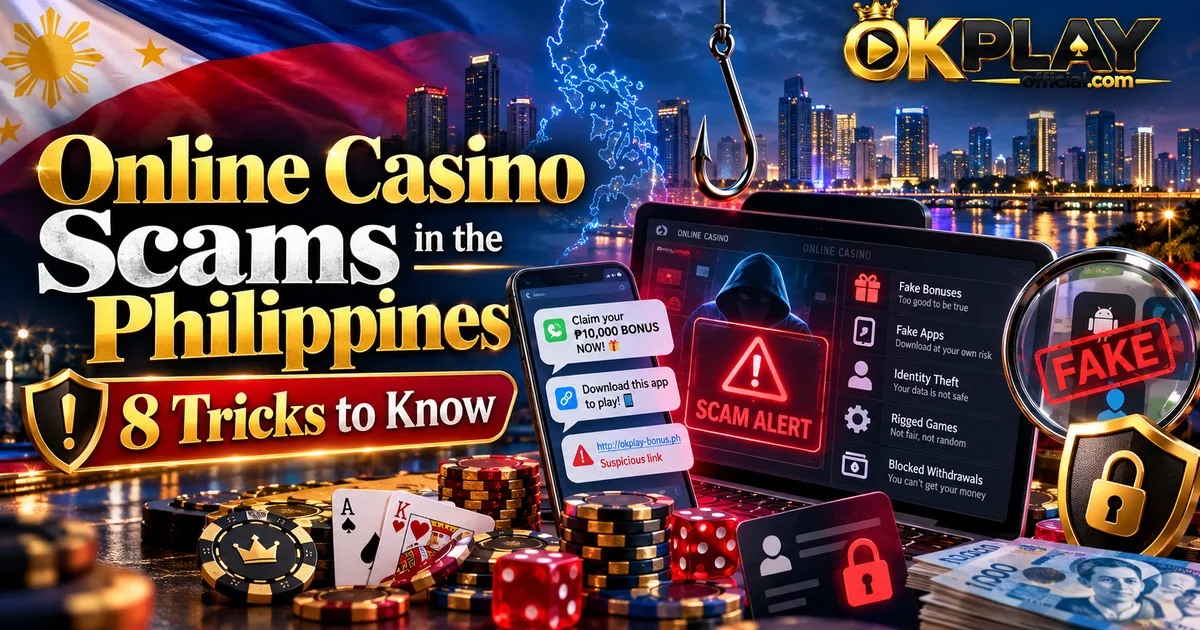
1. The fake "agent" top-up
How it works: someone on Messenger, Telegram or Viber offers to load your casino account "faster" or with a bonus. You send money to their personal GCash, Maya or bank account. The credits never arrive — or arrive once, to build trust before a bigger deposit.
The tell: any instruction to pay a person. Licensed sites take deposits through the cashier inside your own account.
2. The release-fee (withdrawal) scam
How it works: the site shows a large "approved" balance, then says you must first pay a tax, an anti-money-laundering fee, a VIP upgrade or an "unlock code". Each payment triggers a new fee.
The tell: paying to receive your own winnings. No licensed operator does this. If a real withdrawal is stuck, our withdrawal guide lists the legitimate reasons.
3. Clone sites on look-alike domains
How it works: scammers copy a real brand's design onto an address like brand-vip.com or brand88.xyz, then promote it through SMS blasts, group chats and paid social ads.
The tell: the domain isn't on the brand's registered list. Paste it into the OK Check — it flags look-alikes of every brand we track.
4. Fake casino apps (APK downloads)
How it works: you're sent a link to download an app file directly instead of through an official app store. Besides taking deposits, these apps can request access to your SMS and contacts — which can expose one-time PINs.
The tell: an install file from a chat link, or an app asking for SMS permissions. Don't install it. Get to licensed brands through the official domain only.
5. "Hack", prediction and signal sellers
How it works: groups sell Color Game predictions, "scatter timing" for slots or "VIP signals" for baccarat, usually with screenshots of big wins.
The tell: anyone claiming to predict a random game. Certified RNGs and fairly dealt games can't be predicted — our Color Game and baccarat guides show the math. The only reliable income here is the subscription fee.
6. Task and "investment" scams that end on a casino
How it works: it starts as an online job — liking videos, rating products — that pays small amounts. Then you're told to "recharge" or bet on a platform to unlock bigger tasks or commissions. The platform is fake, and withdrawals stop once your deposits grow.
The tell: a job that requires you to deposit your own money.
7. Fake PAGCOR certificates and seals
How it works: the site shows a PAGCOR logo, a license number or a "certificate" image to look official.
The tell: the proof lives only on the site itself. A license counts only if the operator and the exact domain appear on PAGCOR's own published list on pagcor.ph.
8. "Recovery agents" who target scam victims
How it works: after you post about being scammed, a "lawyer", "hacker" or "government agent" offers to recover your money — for an upfront fee.
The tell: paying to get money back. Real authorities don't charge victims to investigate. This second scam often hits the same person twice.
Already sent money? Do this now
- Stop paying. No fee, tax or code will release the money.
- Save evidence: screenshots of chats, the website address, receipts and reference numbers.
- Report the receiving account to GCash, Maya or your bank through their official help channels, as fast as possible.
- File a report with the CICC hotline 1326, the PNP Anti-Cybercrime Group, or the NBI Cybercrime Division.
- Warn others — and send us the site address so we can flag it.
Frequently asked questions
How do I know if an online casino is a scam?
Can I get my money back from an online casino scam?
Where do I report an online gambling scam in the Philippines?
Read next
OK Check: PAGCOR License Lookup
Free PAGCOR license checker: paste a casino brand or web address to see if it's on PAGCOR's list, catch look-alike clone domains, and verify any site yourself.
Read guide →Withdrawal Problems
Why your online casino withdrawal is pending or rejected in the Philippines — KYC, wagering, name mismatch — how to fix each one, and how to spot the fee scam.
Read guide →Is Online Gambling Legal in the PH?
Yes, but only on PAGCOR-licensed sites for adults 21+. Who can play in 2026, the POGO ban under RA 12312, the GCash and Maya order, and bills to watch.
Read guide →GCash Casino Guide
Step-by-step GCash casino guide for the Philippines: how to deposit and withdraw on PAGCOR-licensed sites, KYC, payout times, and the GCash scams to avoid.
Read guide →